The school year is winding down and I've been thinking a lot about new steps. This year I've been a part of the Project Zero maker space perspective course, a change.school course and a launch book club pln here at school. I think that next year I'm going to take my studies a little more seriously and apply to something with a little more depth. Here's hoping anyway.
Most of my thoughts have been about the idea of learning and growing and why some people seem more open to this, what makes people this way? Can it really be fostered? I'll try to be more diligent with learning this summer, but if not, see you in the next school year when I'm going back to the classroom.
Tuesday, 13 June 2017
Monday, 22 May 2017
Stages of Learning
![]() |
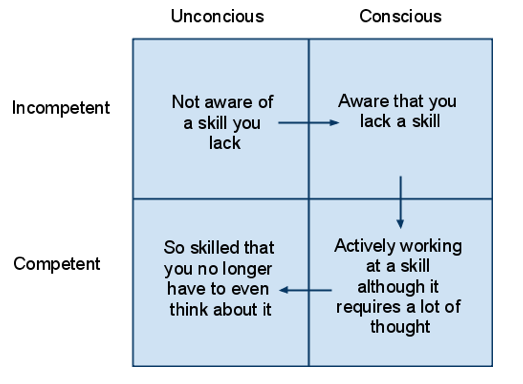
I do a lot of things in my off time, even though I really like doing nothing. One of the things I'm doing this year is captaining/coaching a frisbee team. We have a great coach we work with, and he was talking about stages of a great ultimate player, and I thought this applied a lot to learning too.
I wonder how often we are stuck in the conscious incompetent stage. Without a learning coach or someone explicitly helping us become conscious and competent, how can we easily navigate our own life long learning.
Part of the job I think I am good at is listening and helping shape consciousness and direct people towards competence. When we can understand what we need to do to get better, I think it's much easier for us to make that progress, it's when we don't understand that we feel frustrated.
As a beginner things can be liberating because we don't even know what we're doing wrong, everything is just kind of fun, but as we get through the process things can become more difficult.
![]() |
So how can we remain optimistic about the future like we are when we are unconscious and still promote and develop consciousness?
Monday, 8 May 2017
Tadpole habitat
We've been working on getting a home set up for our tadpoles, last week students researched what tadpoles needed to survive and this week they started putting the habitats together. This is pretty great for us because when we went back outside, the water is all gone, so no home for our little friends.
As a learning journey the students loved it, they learned a lot about tadpoles (and it's still on going) and they are totally motivated to make the most out of their habitats, pretty exciting times.
Tuesday, 18 April 2017
New problems
We were walking in the outdoor discovery center the other day, and it looked like a lot of our problems (litter, dying plants, chalk) had disappeared, or been taken care of. So we started looking for new things we could solve.
It had been raining a lot, so there were lots of puddles (it's been a really strange rainy season here in Singapore). Anyway, the learners found tadpoles. So currently we are wondering how we can make the tadpoles environment a little more secure. It was an interesting day.
Tuesday, 11 April 2017
Changes in the Garden
We've just returned from a holiday and looking out in the garden we've seen a lot of new wood covering the ground. We're going to use this to look into how systems change when humans try to make differences in our shared world. Should be interesting.
Tuesday, 21 March 2017
Touching plants
When we're outside with the little ones we're looking for ways to engage their thinking, and hopefully drive some inquiry. One of the first things we do (and then we revisit it) is walking around touching, smelling and looking at different plants. We try to do this so we get a better understanding of where we are, as well as feel more comfortable when working with other living things.
Wednesday, 8 March 2017
Second instalment
This is the second instalment of our itime with the grade 2 cca learners. So far they have looked at some of the problems they see in the outdoor discovery center. One of the larger problems they've recognized is the holes in the roof. Last week they were thinking about the different materials that could used for the roof. We thought of the idea of wood, and leaves. We then looked around the garden to see if we could find anything around to fix it with. Right now, we're not sure we can actually finish this "on time" but it's something we're working on.
Monday, 6 March 2017
Trying video
Alright I'm trying something new.
Working in the ODC these past two years has been pretty good, this year for a CCA we're having students develop like an itime, 20%time, maker space type thing, it's going to take forever, and it likely won't be great as a first go, but I take 18 grade 2 students out here three times a week for forty minutes to find problems and look for solutions.
The first bit was really just getting them used to the space, and the idea that problems exist in our real world.
We've found two, which i'll get into later on, but I wanted to introduce you (to part of at least) the space we're working in for right now
Thursday, 2 March 2017
Absence of anything
![]() |
| http://savedbythe-bellhooks.tumblr.com/ |
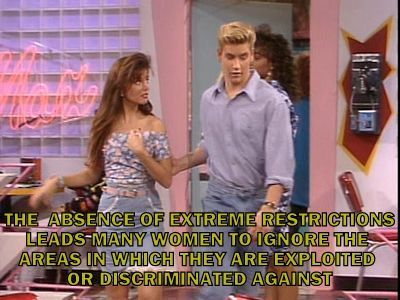
Not really sure what this has to do with education, environmental, technological or otherwise, but it's something I've been thinking a lot about. I've used saved by the bell hooks before, I love how provoking some of the images and quotations can be.
I guess what I'm really wondering is why it takes the presence of extreme anything to finally do something, or become aware.
In the environment it's climate change, how big does it have to be before people act. With technology it's falling behind as teachers, how much do we have to not understand before we realize that communication has changed and we're a million years behind (like really who even blogs anymore). With people, I guess it's everything. Why do we need extremism, to realize the areas we're being exploited?
Anyway, just wondering how can we be aware of situations without being or causing extremism.
Wednesday, 22 February 2017
When are things actually private
![]() |
One of my teachers wants to share more of her work. She is doing pretty interesting things and wants feedback and ways to share her knowledge. She is however afraid that her ex will follow her, and she doesn't want anything to do with him. She's worried about what it means to go public and if sharing is actually worth the stress of knowing he is still watching. I totally get that, I mean, it's obvious (at times) to see who is watching and when, but if you go public it can be hard to stop specific people from accessing. My wondering is how important is it, I mean as long as there is no harassment, who really cares and if there is harassment we can block and go to the police, however, she feels much safer not publishing.
One of my students email was "hacked" he was telling people about his personal account, and someone accessed it and sent some not nice email. I guess firstly I don't believe it was hacked, but if it was, that's an interesting story, we keep using the common sense media image where we protect our private information, but that is difficult for younger students.
My wondering most of this week is, as we continue to be more connected we are less private, and I don't know if we are teaching how to actually be safe to students, or how to live safely in a very connected world.
Monday, 13 February 2017
Systems and code
![]() |
This past year we've tried to be more active with getting coding into the classroom. There has been some great successes, and a fair amount of indifference, but I think the most confusing part for me is the conversations with teachers.
We talk (the teachers and I) often about empowerment, like how do we actually help students be successful in the future. We talk about the types of skills that might be needed. Our biggest difference is I believe coding will be one of the only skills required for Digital Literacy. Most of us navigate the internet as illiterates, we can converse, but we can't actually make a change or look for deeper meaning.
When people who lead countries can change the idea of what "fake news" is and people are only trained to consume media, mainly the internet, I think we are in for a scary future. However, my teachers think that there are different necessary skills (which I also understand are important, just not as crucial).
Moreover, I guess, I wouldn't teach anything (especially coding) in a static environment. For real challenge based, or problem based learning (looking at the system) we need to have coding embedded into may summative assessments, many daily learning engagements, so we're not just coding, we are solving a problem (hopefully a systemic one).
Anyway, I believe that all people can code. We just need to find a way to get them doing it purposefully, and in a way that the teachers easily see the value.
Wednesday, 1 February 2017
Focusing different
![]() |
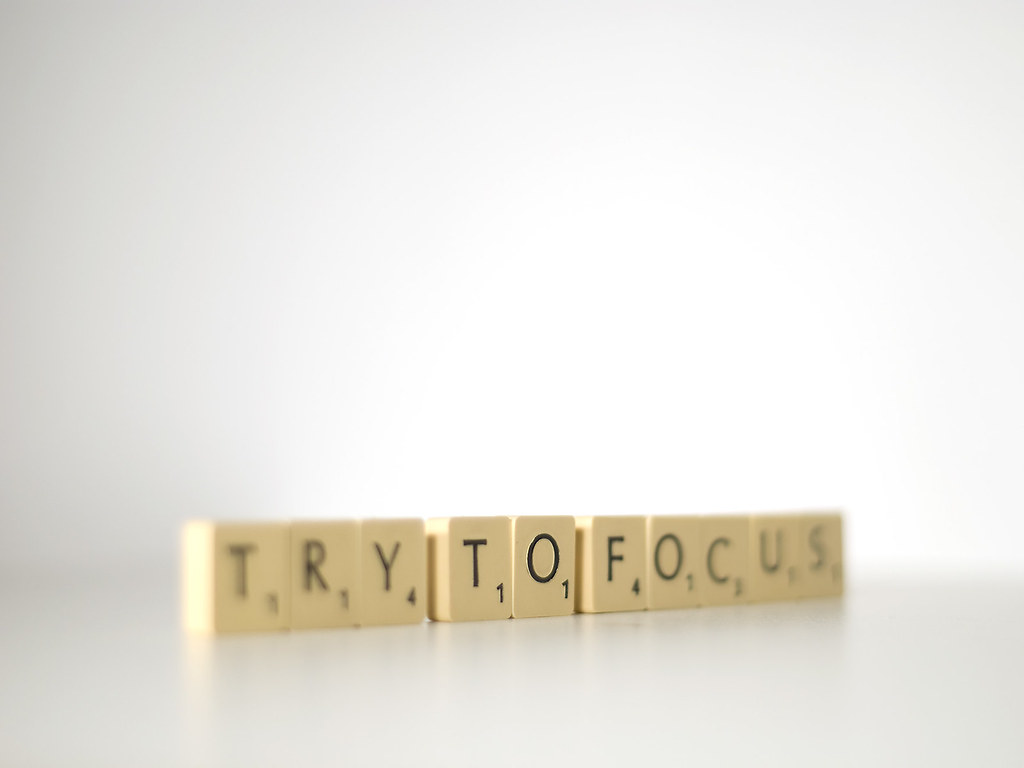
I was reading this article the other day and really liked the idea of "other focus" when on screens.
There is a lot of talk about screen time and how it may be damaging or even may be good, but I think we often think just about the person who is consuming the screen time and how spending time on screens effects them.
Like most things we need to look at the broader impact. How does this effect our relationships, the environment, what is the broader systemic impact? I want to start focusing on this with students, start talking about different options for interactions, and how to keep things positive.
Wednesday, 25 January 2017
Growing together
![]() |
I love my job, seriously, it's up there with top jobs in the world, at least in my opinion. But, like everyone at times I get frustrated with my colleagues.
Lately it has been revolving around this idea of growing together. A lot of the people I work with are amazing, literally. Their passion and desire to grow and become amazing educators is overwhelming at times. There are a few people I am always a little frustrated with, and I think that's my growth area for the next couple of weeks. The people I work with, I do think they want to get better, but they have a lot to focus on and at times, I feel that my focus isn't their focus, this new revelation is that's okay.
I need to recommit to the idea that I'm helping them achieve my goals, not my reaching my goals. I need to help them become better and actually grow together.
Monday, 9 January 2017
Personalized Learning
![]() |
I've been thinking over the break about the whole idea of personalised learning, and who should be "in charge" of the experience.
I think as a teacher it can be overwhelming at times to think about all the organising we have to do for a personalised learning experience. Often we try to guide and direct and shape the future, even with personalised learning we aren't fully wondering about what the students want. I've been working a lot with maker spaces this year, and iTime inquiry and I think that letting students have some control of the learning while still being able to hit most of the outcomes necessary.
I think working towards personalised learning is crucial, but I've been wondering more about how to make it also communal.
I want to start bringing experts in from near our school. I want to start building a community, but I also want students to start working together (maybe even being assessed together).
I don't know, it's the beginning of the year. I love personalised learning, but I don't just want to focus on the individual.
Thursday, 24 November 2016
Always growing
![]() |
I've been thinking a lot about how to continue to grow. As a digital literacy coach, I think it is my job to grow and continue to grow. Not just for the sake of growth, but always looking and wondering about how to change and enhance what's happening in the classroom.
Sometimes I fear that I'm just growing and changing for the sake of growing and changing, other times I'm worried that I'm too stagnant and not growing enough.
I have honestly felt that we learn the most and change the most when we are feeling uncomfortable. One of the things I try to do throughout the year is to put myself in uncomfortable situations in order to help me see my work from different perspectives.
So I guess I'm wondering what my next growing opportunity is going to be. I've tried things from a maker space perspective this year, and it's pretty interesting. It's especially interesting to see the commonalities between design perspective and systems thinking in environmental education. I also have loved the idea of critiquing the user experience model, so it's been a lot of fun.
I'm looking for the next big shake up though so I can change how I'm learning.
Wednesday, 16 November 2016
Deep Learners
![]() |
Just got back from a Deep Learners Conference in Malaysia. I went with some of my colleagues and presented on "Real Connections". I posted my first draft up here a couple of weeks ago, but it turned out a lot different after last week. It ended up like this...
A lot of it was the same, but I wanted to make mention of how I kind of wanted the future to look.
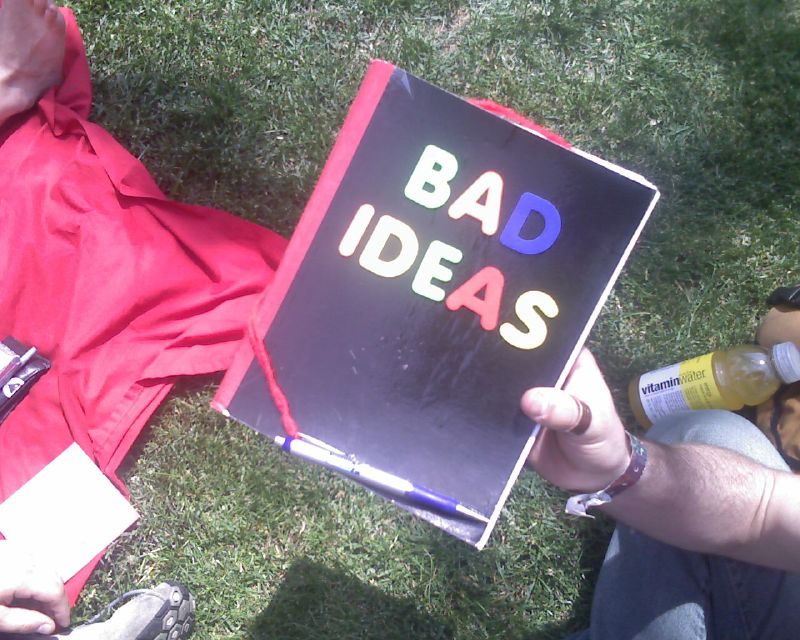
One of the most interesting aspects of the conference for me was the focus on bad ideas. I like how we can change our thinking around, how we can look at a bad idea and eliminate the "bad" parts of it.
We had a lot of time to work through our idea, and as a group, we laughed, grew and got to know each other a little better. I think this focus on having a bad idea and honouring it, really helped us as a team.
A couple of my colleagues presented which was nice to see us grow as a school. It was all around a great conference actually. I love the format where you can go and discover new ideas in the morning (no big commitment, only twenty minutes) and then do something in the afternoon.
Check it out if you're keen Deep Learners
Thursday, 10 November 2016
Wow?
![]() |
I don't often talk about feelings I guess, which is not great; but, this week was crazy.
Two of the things I firmly believed in (not just thought I believed in, but thought everyone believed in) were proven to be untrue this week.
I believe(d) that people genuinely were starting to care more about our environment, our place, our world, just I guess everything that is involved in our living system. I thought everyone in the world was moving towards a better (even if it was still far from perfect) world. Wow, the election proved me wrong. How can people still deny climate change? How does that honestly still happen? I honestly couldn't believe it.
Connected to this, I believe(d) that people are more connected to something in their community or globally now. I thought that it was more global, but also believed we were just overall more connected to something around us. Again, isolationism as a result of our election. How can people seriously believe that we can operate on our own anymore? How can people think that imaginary lines drawn across land mean anything? What benefits do we have from doing things on our own?
I don't know.
I think media failed me and many others, I didn't that this was possible. I understand the role I played, how I was compliant to listen to people who believed the same thing I do, but to not even think of this as a possibility is alarming. As an educator I have to be more aware of how we actually search and what we intentionally make ourselves available to.
I think we failed each other. We haven't really been listening to each other and our problems, we don't know what our community is feeling especially in regard to what they are scared of.
As an educator I think we have an exciting opportunity to work with students to make sure change is going to continue to happen. But it's been a disturbing week.
Tuesday, 1 November 2016
First Draft
I've been working on a brief fifteen minutes sense of place presentation for a conference in a couple of weeks. Most of what I focus on is images, and after going over this a couple of times. I really notice that my font choice needs a lot of work (that will come in the next two weeks for sure).
Regardless it's allowed me to really think out what I believe and try to condense that down into fifteen minutes and I need to entertain other educators as well. The process is really helpful and this is now my fourth presentation and I can feel my story becoming more focused and clear.
One of the benefits of me doing an image focused slide show is that it helps me tell a story, and the images work with the words to create some new neural pathways. One of the detriments is that it doesn't make much sense without the story. However, I'll embed it anyway.
Deep learners is one of my favourite conferences because after the two fifteen minute sessions people choose what they want to spend an hour on in the afternoon. So the deep dive will be more hands-on based where we can try to sell our favourite places, and maybe dig into some conservation photography.
Thursday, 27 October 2016
Rebranding
![]() |
This year we are changing some of how we do Professional Development. What we are thinking of doing is offering drop in sessions during Recess and Lunch and making it more relatable to what the teachers need on demand. We are always here to help, but this is a less intimidating way to work with larger groups of people.
We are calling our sessions >Towards Wicked (based on the New Horizons Report). What we are looking to do (eventually) is address some of the truly wicked problems we as teachers face. So the name came from there.
I've been spending more time outside with teachers as well. We are getting more buy in for the mix between environmental education and technology integration, so that is really exciting. We have many teachers out there using the iPads to uncover some of what they could be learning in the classroom.
Happy days.
Tuesday, 4 October 2016
Why Quantitative?
![]() |
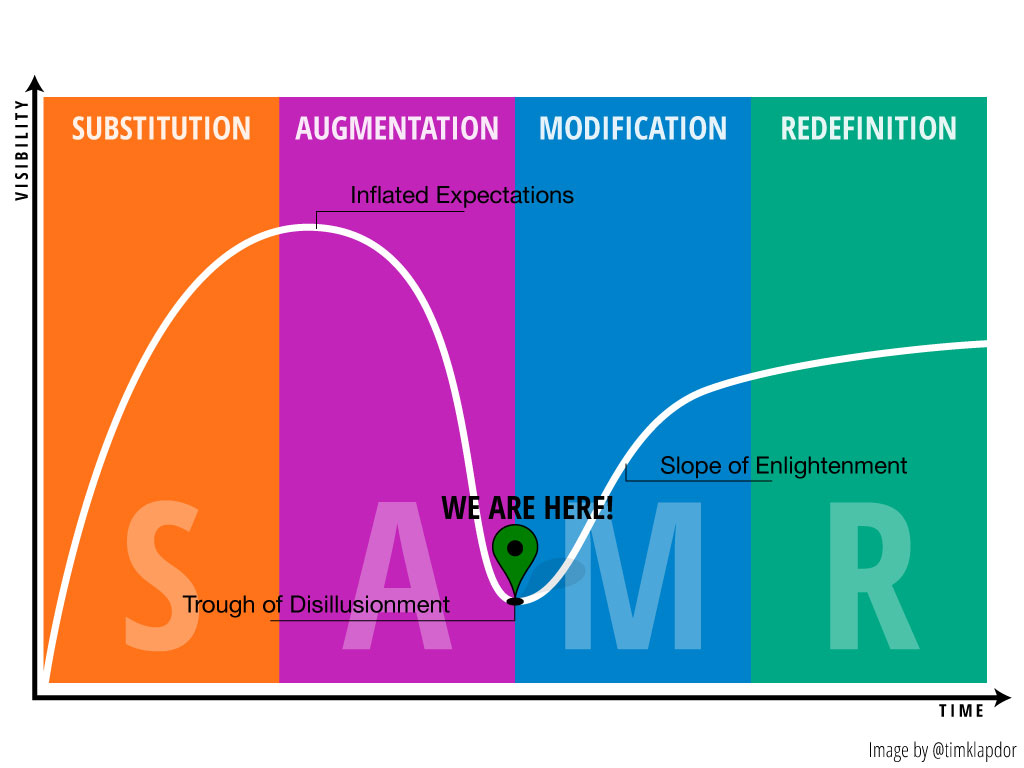
This week I've been thinking a lot about how to actual see where we are in our learning journey. I know that many schools have a focus on quantitative data. We use standardised tests to make sure we are learning at the right time. We focus a lot on quantitative data because it is easier to show a big picture with lots of data at the same time (I think anyway).
So, how can we present more personal qualitative data to parents. Right now we are entering conference time, and we want to share the stories and make it personal, so I wonder how our teachers are doing that, and what the parents are thinking.
I was reading this article about Modern Learning and wonder how we can use qualitative data more effectively. We can use it to paint a bigger picture and a more complete story, but how do we use it to enhance our teaching practice. How do we use it to drive inquiry?
Way too many questions this week.
Subscribe to:
Posts (Atom)