Thursday, 1 October 2015

Outdoor Discovery Center


AttributionNoncommercial
 Some rights reserved by Mollivan Jon

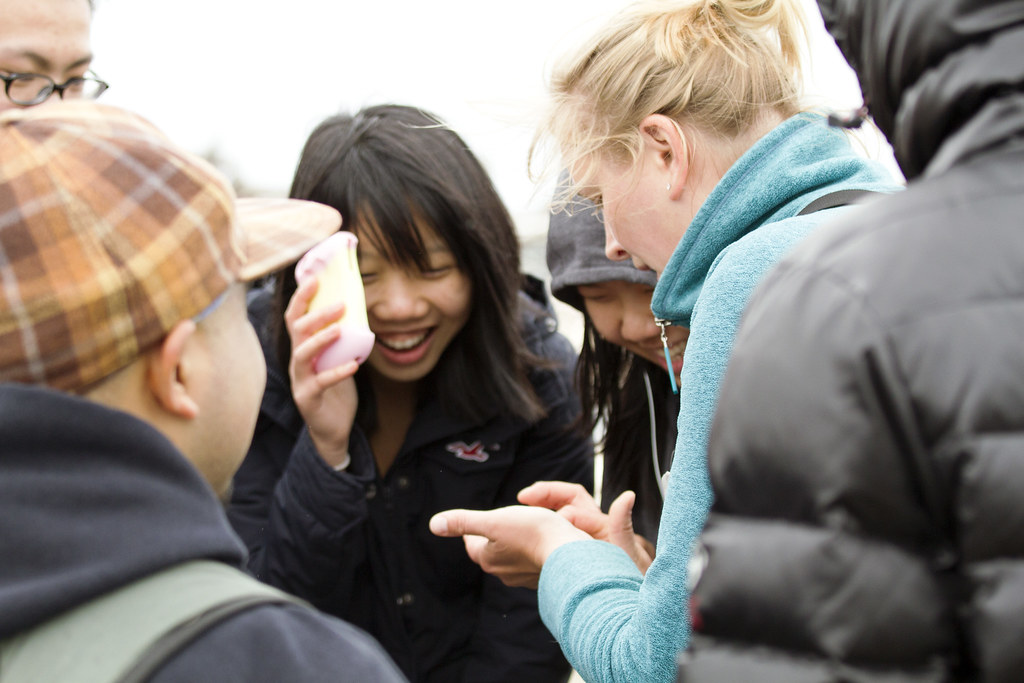
Our Outdoor Discovery Center opens this week.  However, "The Haze" is making it nearly impossible to go outside. This is going to be a great way for students to learn about how to take personal buying action (hopefully).

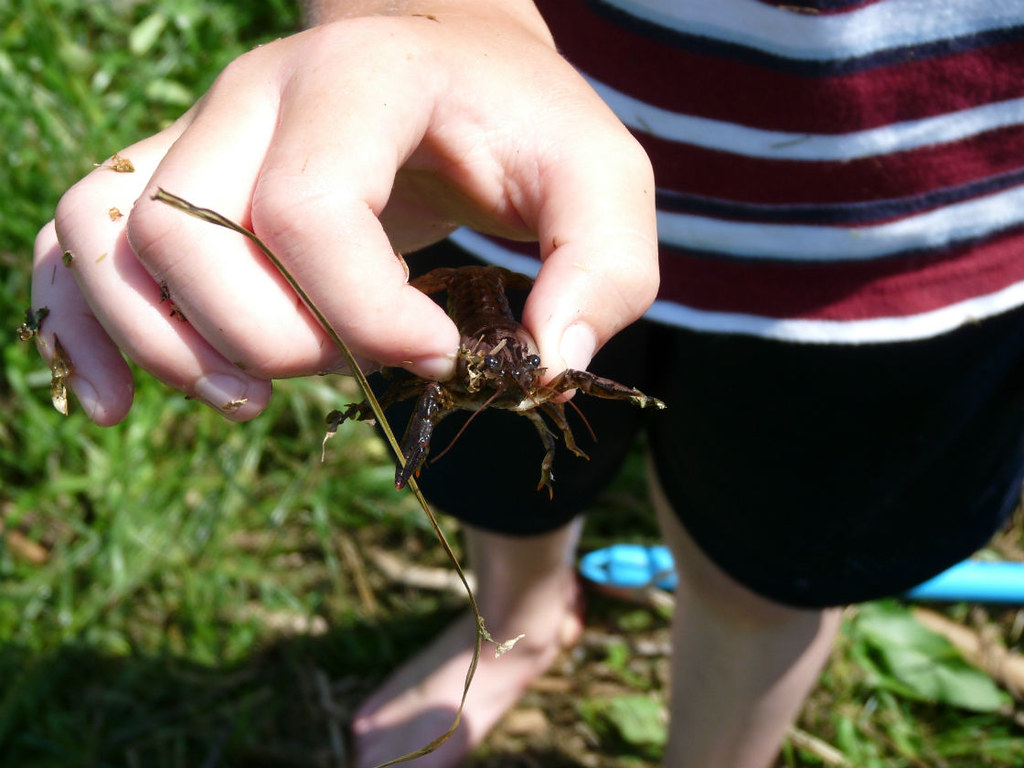
We're going to be Looking Closely.  But first we're going to find spots to look closely.

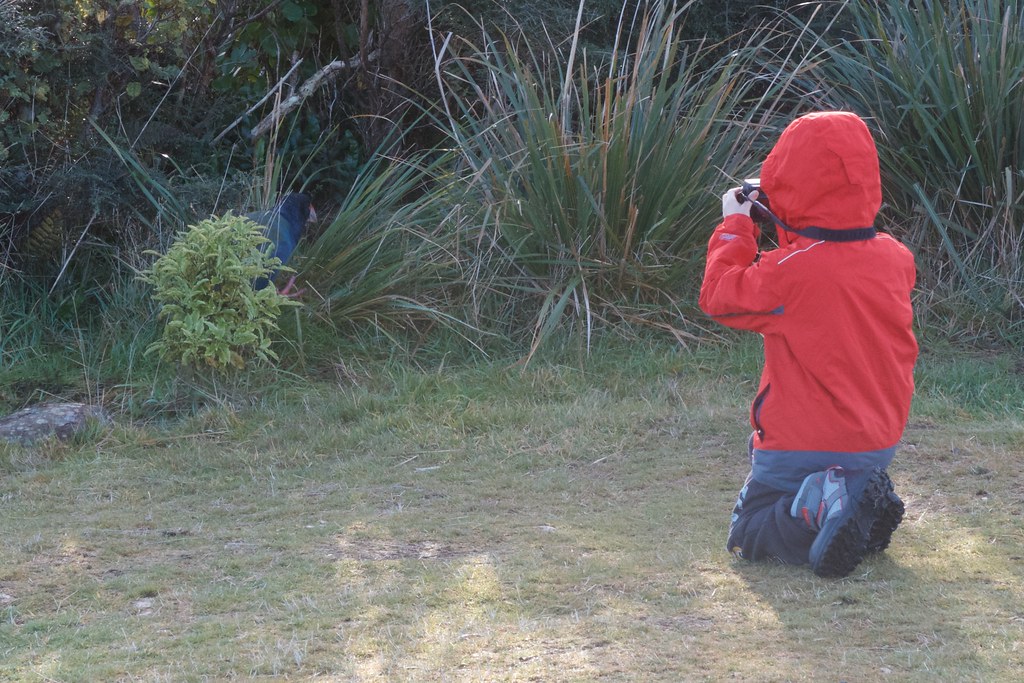
This week I'm headed out with the teachers after school to look for great spots to notice life.  Then we will bring the students out with cameras and get them prepped for sitting still and being patient and then being a part of our living community.

With the smoke everywhere outside, I don't know when we can get the students out. Fall break is fast approaching so we may have to wait until after then, but we are all really excited.

Thursday, 17 September 2015

Diversity Matters


AttributionNoncommercialNo Derivative Works
 Some rights reserved by The Open University (OU)

I've been wondering a lot lately about the importance of diversity.  Too often in the classroom teachers are trying to create an "ideal" student, or a student that fits their particular preference.

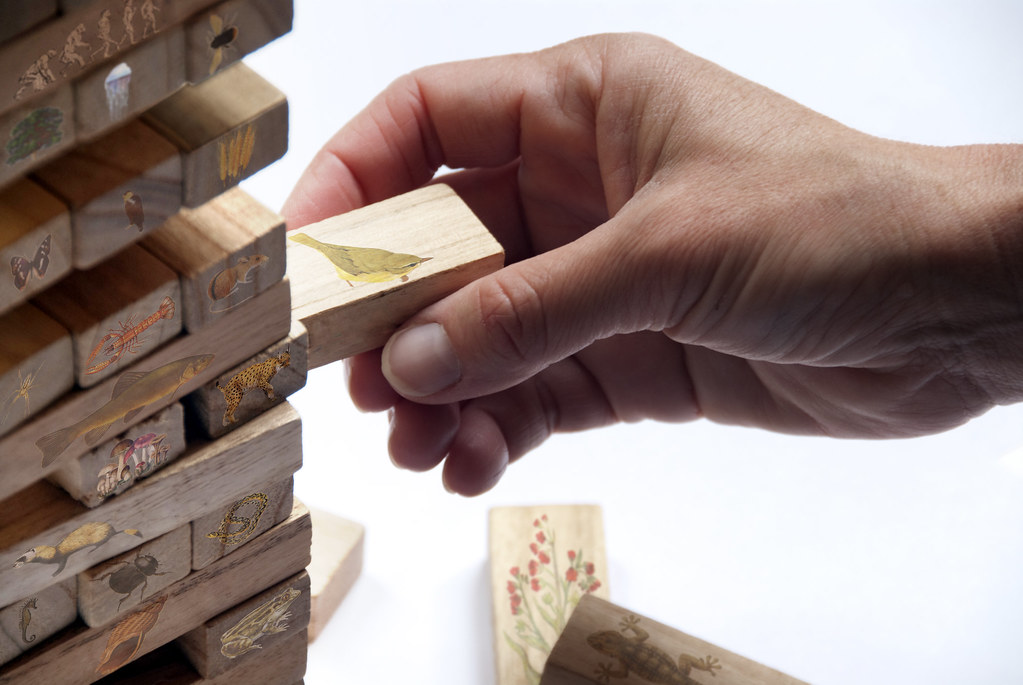
When we think (or when I guess environmentally minded people think) about the environment we think of the strength of diversity.  How it helps make our system stronger, which in turn helps make us, as humans, better.  I guess I wonder who does this in class, we often talk about how we appreciate different perspectives, and different ways of knowing, but in my trips through classrooms I don't know how this is championed or truly used.
How can we as groups look more towards the diversity of our classroom? How does it push our thinking? How does it makes us better learners? Then, can we look outside, and see how our local community works, see what makes it strong, it's not everyone being the same, it's everyone being different.  

How can we engage learners in our class to focus on diversity? Recently I read an article about student centered learning my biggest takeaway was this.

You cannot counter structural social inequality by good will.  You need to design structural equality into the classroom.  
          Structuring equality in classroom discussion--in a lecture or a seminar--is actually quite easy to do but it is not intuitive. At least, it was not intuitive for me. I learned several tricks from other people and I pass them on every time I give a public lecture and use at least one or two of them every class period.  They work.  They change the dynamic.  They change the way everyone participates.  When the situation is equal, no one hides, no one wants to hide, and no one bullies.

Looking forward to trying to make this happen


Thursday, 10 September 2015

Environmental Leadership

AttributionNoncommercialShare Alike Some rights reserved by North Cascades National Park
This week was pretty exciting.  One of my teachers has asked me to do an environmental leadership class which was great. Now every Tuesday I have dedicated environmental time in a class. 

It's been a year, but it's a huge first step for me. 

Our first adventure will be in our garden, and then we're going to sit outside and find our sit spots.  We're going to start developing a sense of place and a better understanding of our environment in order to be real leaders and work with our community to enhance our place. 

I'm really excited.

Thursday, 3 September 2015

Making our own paths

AttributionNoncommercial Some rights reserved by glennia
One of the best things about this job is the ability to constantly (re)define my role.  So, it's pretty great for me, although I can understand that people who need clearly defined roles might not be as happy.

So, what I'm really going for this year is experimental iPad groups. I recently read this "Challenging Tweet" post.  It's been consuming a lot of my thoughts recently.  We are reinforcing this idea of hierarchy and traditional classroom values while using tools that could be used for student led learning.  I'm trying to get my teachers and students to see this, but I'm not sure about it myself. I just know it's something we have to start thinking about it. 

My first thought is, this is why we need to teach coding.  Students are taking part in a world they really don't have a lot of control over. Coding will give them some power. Actually teachers need to know more about this (and so do I for that matter). 

My second thought was, get them outside and start creating their own knowledge, they can do this inside too, but I really want them outdoors to reinforce this idea that learning has no boundaries, when you're in a class, the walls are already there. 

Anyway, trying to go down these new paths, some lead nowhere, but hopefully one or two will take me to some place pretty great. 

Thursday, 27 August 2015

Sit Spots into Nature Journals

AttributionShare Alike Some rights reserved by eliduke
Over the summer break I read Coyote's Guide.  I want to get better at mentoring people who go outside.  I used to call them Magic Spots, but in the book they are called sit spots.  Sit spots help build empathy, understanding and systems thinking in students.  By sitting outside in your specific place you can watch change, and see how nature "works". 

Last year, I tried to develop a sense of place in students by taking photos then making a time lapse to see change, and then share that change with others.  I think it worked alright, but I want to incorporate a nature journal this year. 

I had a bit of time this summer, so also read To Look Closely.  The idea of the nature journal and sit spots are tied together pretty tightly here.  It adds another level to the sit spot.  I used to sit in a circle and discuss what we saw and felt but there was no other form of documentation.  I think that by using a sit spot with a nature journal I can help develop a sense of place in students. 

I'm not quite sure what the nature journal is going to look like just yet, but I'm going to start with notebooks, hopefully with blank pages, no lines to inspire a whole no boundaries approach. 

Here's hoping.

Wednesday, 12 August 2015

Welcome back

AttributionNoncommercialShare Alike Some rights reserved by Amarand Agasi
We tried to change our domain over the summer, and we misplaced a whole a significant number of google docs.  It hasn't been great, but I've been thinking a lot about the opportunity for redefinition.

Way too often we rely on what we did last year, we change it, make it slightly better.  I wonder about the opportunity to do great, rather than the chance to do less bad.  We can make a mediocre unit slightly better, but do we take the opportunity to really change what we're doing, and make it as great as possible, I'm not sure we all have the courage. 

When we lost our documents, I thought this was the opportunity to do such a thing, but people are relying on former paper copies to reconnect what we've already done, so it's not ideal right now. 

At international schools we change teachers pretty frequently.  Teachers go to different grade levels, different teachers come from different places, but at the beginning of the year, we're not always open to these new ideas. More often, we want to stay with the status quo, and just keep what was going okay going. 

Since we've misplaced some data, I know that teachers are a little more hesitant to use computers.  I think this image really makes me think of computer literacy. If we were all a little more literate, I'm not sure we'd have misplaced this information.  The more people know, the more likely we are to save our data (not that I want it saved in this particular instance).  

So for me, at the beginning of the year, I just want teachers to take a risk to be more literate online.

Monday, 8 June 2015

What is a school focused on Environmental needs?

Attribution Some rights reserved by U.S. Fish and Wildlife Service - Midwest Region


I've been asked to think about what an environmental education looks like, what things we need, what do we want?

For most of these things it was really hard for me to answer.  Mainly because I think it's a lot like EdTech, sure we need things, but more than that we need a shift in how teachers think and interact with students.

More than anything, I think we need time for teachers and students to be outside, slightly unstructured but thinking and looking, this probably isn't the biggest seller in a standards, university focused world.

But students with time develop great systems thinking habits, they are passionately curious and are able to think creatively because their imagination has been developed.  They are used to being bored so they understand more about what it means to create things.  I feel they just understand more, and appreciate more.

We need people to stop thinking about specific skills students will gain, especially in a world where climate change is happening.  What the individual gains for themselves isn't so important, we need to focus on what we will gain for our planet, how we can all make a difference for our shared survival, not my immediate gain.

But still, I need to think about these things.  So any help would be great, what do we need to start something focused on environmental education, what skills will students develop, where do we go from here?