Friday, 26 February 2016

Joyful Places

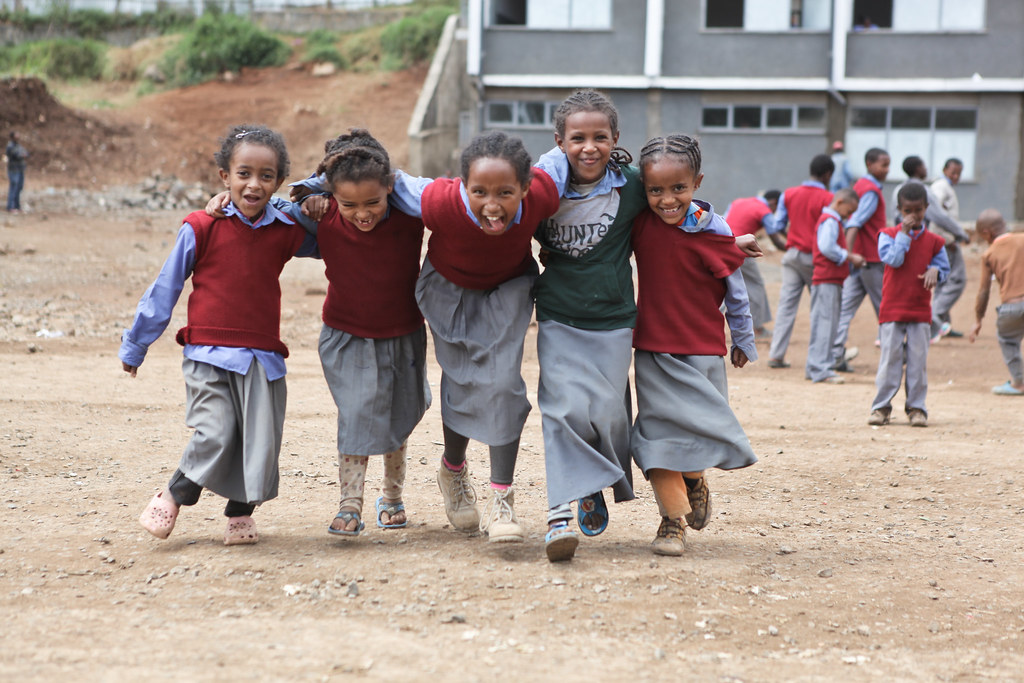
AttributionNoncommercialNo Derivative Works Some rights reserved by GlobalPartnership for Education
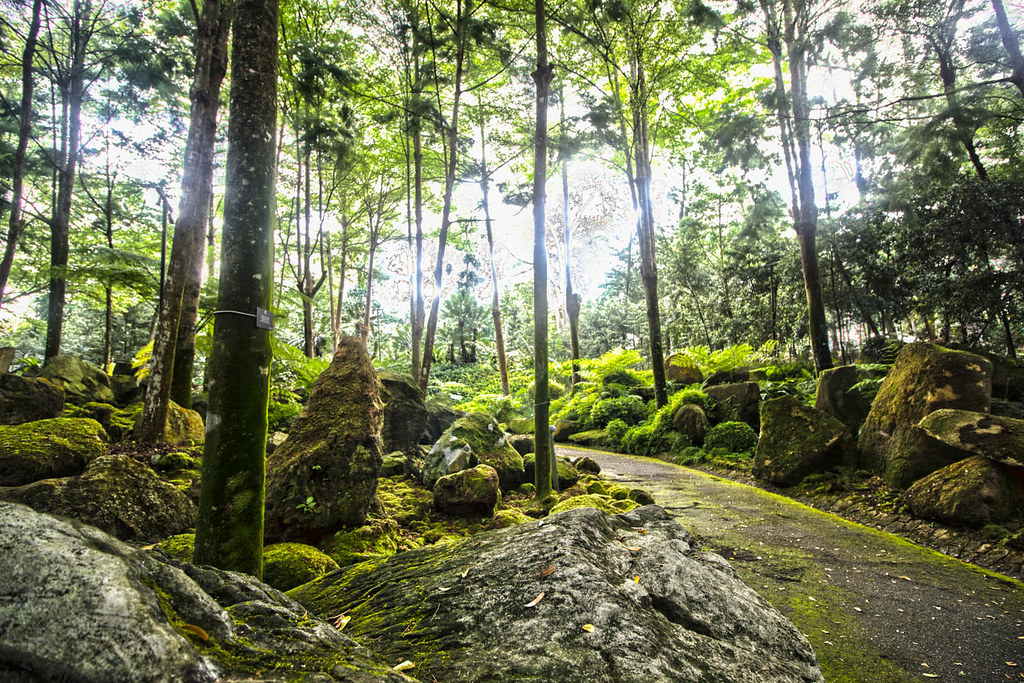
I've been thinking a lot about places and how to get people connected to places.  Recently I was asked if Singapore was a "joyful place", it really got me thinking. 

What is a joyful place, how do places become joyful, can we make this happen?  I've explored this a bit in my thesis, but it's something I often revisit.  I didn't know how to explain this.  The first thought was no, it's not joyful, but I do find joy.  Mostly because of how I interact with my place.  I'm outside a couple nights a week playing some sort of sport.  We go to the gardens and by the water.  We take the dogs for a walk twice a day.  I find joy in all those moments.  

But when I'm walking around I see many unhappy people, working late, angry in their cars, overheated and I think it's not the space that's joyful. 

It's how you live in a place.  We can only fully become comfortable in our place if we spend time in it, and once we spend that time we can start working on the relationships, and then the positive relationship in our place. 

I do think it would greatly increase work place satisfaction if we spent more time outside and interacting with our community. 


Friday, 19 February 2016

Place Based Education


Attribution
 Some rights reserved by _paVan_

Connecting people to a place has been an ongoing concern of mine. I have just started reading this book. 
Link to Amazon
One of the things I worry most about is that the focus of place based learning all seems to be on certain countries.  While many of the issues are global and easily transferable not everything makes sense in my tropical world. 

Most of what we need to do is have teachers understand their place.  Many of the international teachers are transient, we move from place to place.  This results in us not knowing so much about the place we are teaching.  We need to know more about where we live in order to help students understand the systems in place. 

Walking through the jungle with Han the other week was a totally eye-opening experience. 
Bukit Timah Nature Reserver
Working with an expert in my new country, I learned a lot about what things were living in Singapore, where our water source was, and how to find my way around the bush without too much equipment. 

I feel much more tied to my habitat and as a result I think I can teach more effectively when I'm bringing the students outside. 


Monday, 15 February 2016

Place based learning in an unknown place

AttributionNoncommercial Some rights reserved by feeinternational

I have been thinking about this a lot and it played a role in my thesis work a couple of years ago.  I wonder how as international we can teach about a place without fully knowing it.  This year we've been working hard with our outdoor discovery centre trying to connect teachers to where we live.  By looking at local plants, and seeing the wildlife that lives around our area we are hoping that people are more connected. 

Sadly though this last week we had a plant catastrophe for some of the kindergarten students.  The teachers had some plants they had been growing with the students inside, and they transplanted a week or so after they sprouted.  We had the weekend off and when we came back the plants were gone.  The teachers were worried that something had eaten them, but I don't think that was the case.  Not really sure what happened but we need to make sure that everyone in the community has the same goals.  But we need to look closely in order to figure things out.

Saturday, 30 January 2016

Collaborating


Attribution
 Some rights reserved by familymwr
Since the holiday things have been full on, exciting, but busy.  We want to move more towards a fish bowl model of professional development at our school. We've put in our proposal and are waiting for our chance to talk with administration. 

Right after though, I applied for a job as an Open Minds Coordinator.  During the interview I was able to talk more about the fish bowl concept and what I wanted to do with it, as I was talking this whole new idea unfolded, who do I actually collaborate with, and how do I collaborate with them.  Often I feel I just talk to my fellow Digital Literacy Coaches, sometimes teachers, sometimes STEAM, but not as many people as I should.  

The goal now is to take over the library, with the Digital Literacy Coaches (I don't think Open Minds is for me), bring in the Librarians, the STEAM people, the Open Minds people and other Learning Leaders at school.  Then do all of our PD.  We have people who are experts in areas constantly offering PD, sharing expertise with the other experts so we can all present, and then people book out specific coaches for individual needs based on individual goals. 

I'm very excited.

Monday, 14 December 2015

Virtual field trips


There has been heaps going on these last couple of weeks, maybe not an excuse for not posting so much, but it seems legitimate.  

We've been working with google on their google expeditions program.  It seems really great, teachers can lead virtual field trips around the world (well wherever google has taken the photos), information pops up on the screen and it is just very engaging.  

From the students reaction I mean, it's been overwhelming so far, they are so excited, and many of the excursions easily fit into our curriculum, which is also great.  Also very fun for leading inquiry. 

It does make me wonder a lot, about where we are headed as a society, how will this really change the way we interact? Should we be worried about lack of connections to place, or will this help us become more rooted into our place? 

Anyway, it's been an incredibly fun day so far.  It's great to see how different teachers/learners react to new situations, and just wonderful to see students so happy in this last week of school. 


Thursday, 19 November 2015

Physical vs. Virtual

AttributionNoncommercialShare Alike Some rights reserved by szczym

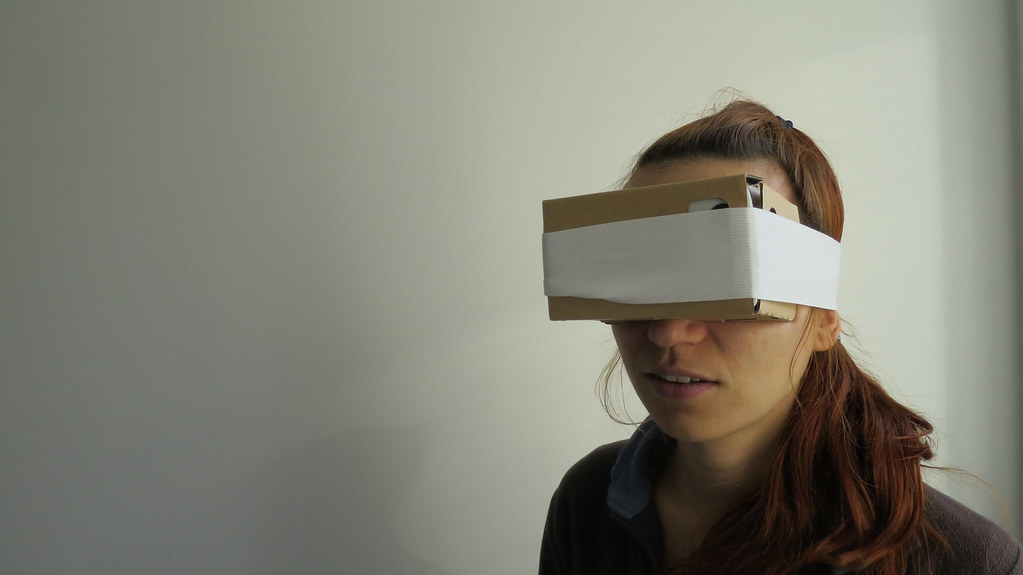
At a conference last weekend I had some fun with google cardboard, we could go places we couldn't go on our own, I saw the surface of Mars and went to different museums.  As a virtual opportunity (aside from some initial discomfort) it was pretty great.  Interestingly enough though the presentation I was leading was on environmental education.


My goal was to get people outside with their students. Often as teachers we don't give students enough time to think about who they are and where they are.  This can deeply affect their understanding of themselves and others. I want students to be more present in the "real" world.  But I was at a tech conference, so I had to think deeply about the effects of virtual manipulatives.

In maths, or language, how can we harness the power of the virtual world to connect students. When using math manipulatives is there a difference between virtual and physical for learning? All these questions were popping up.

With a colleague we decided to start up a podcast, and this is going to be our first dive into it.  What is the difference and does it matter to understanding? I'm not sure we have answers, but it will be interesting to talk about.


Thursday, 5 November 2015

Access to the Outdoors helps us learn


AttributionNoncommercial
 Some rights reserved by Massimo Valiani


I was reading this article about why people have better memory recall when they have access to the outdoors.  It seems like there is a lot of research out there right now where relationships and feelings matter.  Access to the outdoors, according the article help students feel better which helps them do better at school.  It doesn't seem like it's too hard, but it's an important thing to remember.

So, how much access do students need? What are our experiences outside? What matters most to being outside?  I have lots of questions for the upcoming weeks.